
Contact us
GovTech pioneer · Now in Beta

Civic Technology
for a Modern Government

Built forFaster answers

AI-powered planning & zoning intelligence for county staff, developers, and residents — grounded in your jurisdiction's actual ordinance code, with a citation behind every answer.

Book a Demo
Grounded in your codeA citation behind every answerEncrypted & access-controlledLive 24/7

Purpose-built for county & city planning, building, and permitting teams

PlanningBuildingPermittingGIS & ParcelsZoningCode EnforcementEconomic DevelopmentPublic CounterResidentsPlanningBuildingPermittingGIS & ParcelsZoningCode EnforcementEconomic DevelopmentPublic CounterResidents

Explore the Solutions

Click through what your jurisdiction gets — and try a few questions to see how each one answers.

GIS & Parcel Map

Pick a public parcel, toggle the data layers — then ask the AI about it.

  • Live Esri satellite + topographic basemaps
  • Toggle zoning, parcels, address & fire-hazard layers
  • Zoning, fire, flood & lot size — 11+ data layers
  • The highlighted parcel feeds straight into the chat
Pick a parcel
Try asking
Book a demo for a live walkthrough
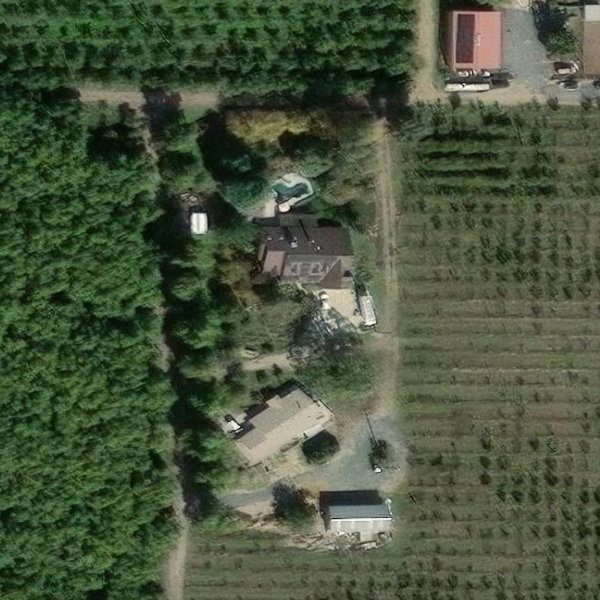
Ivanhoe Elementary School · R-1
Search Ivanhoe Elementary School
APN 108-050-030R-1
ZoningR-1 Single FamilyLand usePublic schoolFire hazardNon-VHFHSZFlood zoneFEMA Zone XLot size~14 acres
Synced to the AI chat — now ask about this parcel
County Assessor + GIS
In the live product — ask in your own words

Why Local Governments Choose OpenCivic

Purpose-built for planning departments — deploy in weeks, not months.

2-WeekDeploymentGo live in as little as two weeks — we ingest your ordinance code, configure your data integrations, and launch
24/7Public AccessResidents and developers get instant answers any time — no counter visits, no hold times, no office hours
100%Your OrdinancesEvery answer is grounded in your jurisdiction's actual ordinance — with section citations, fully sourced
ZeroStaff TrainingNatural language interface — staff and residents ask questions in plain English, just like talking to a colleague

Outcomes you can count on

Shorter counter wait timesConsistent code interpretationsFaster pre-application due diligence24/7 public self-serviceAuditable, cited answersLess staff time on routine lookupsFewer repeat phone callsTransparent, defensible decisions

Solutions for Real Planning Challenges

We start from the bottlenecks your team feels every day — and replace each one with a grounded, instant answer.

The challenge

Staff spend hours answering the same zoning questions.

The OpenCivic solution

Residents and applicants self-serve 24/7 with grounded answers — freeing staff for the work that needs judgment.

The challenge

Code interpretations vary depending on who's at the counter.

The OpenCivic solution

Every answer comes from the same ordinance source with a section citation — consistent, transparent, and defensible.

The challenge

Applicants submit incomplete projects, then bounce back.

The OpenCivic solution

Pre-application due diligence — ADU, setbacks, SB 9 — up front means cleaner submittals and fewer resubmissions.

The challenge

Parcel research means juggling GIS, permits, and the code.

The OpenCivic solution

One search returns zoning, hazards, permit history, and AI analysis in a single view.

How a Question Becomes a Cited Answer

Grounded AI — not a guessing chatbot. Here's the path from a plain-English question to a sourced, defensible answer.

Step 1

Ask in plain English

A resident, applicant, or staffer asks a normal question — no codes, forms, or jargon required.

Step 2

Retrieve from your sources

Semantic search pulls the most relevant passages from your ordinance, parcel, and permit data — never the open internet.

Step 3

Ground & cite

The answer is composed only from those retrieved passages, with a clickable section citation behind every claim.

Step 4

Confidence + human authority

A confidence signal flags uncertainty; if your code doesn't cover it, OpenCivic says so. Your staff make the final call.

What OpenCivic Is Worth to Your Jurisdiction

Move the sliders to match your department — see the staff time and budget a 24/7 grounded assistant can free up. An estimate, not a quote.

Your department
1,200
8 min
50%
$65/hr
$62,000Estimated staff cost freed per year
960Staff hours saved / year
120Staff-days freed / year

7,200 routine questions answered 24/7 each year, so your team spends its time on the work that needs judgment. Illustrative estimate from your inputs — not a quote.

Get a tailored estimate

Works With the Systems You Already Run

OpenCivic layers on top of your existing stack — no rip-and-replace. We connect to your permitting, GIS, code, and identity systems through their published APIs.

Permitting & Licensing
Tyler EnerGovLiveAccela Civic PlatformOpenGov PermittingCentralSquareClariti
GIS & Mapping
Esri ArcGISLiveArcGIS REST / FeatureServerCounty parcel layersFEMA & CAL FIRE data
Code & Records
MunicodeAmerican Legal PublishingGeneral Code / eCode360Laserfiche
Identity & SSO
Microsoft Entra IDLiveGoogle WorkspaceLiveSupabase AuthSAML / OIDC

Live today  ·  Don't see your vendor? We add connectors on request — tell us what you run.

Built for Public-Sector Trust

Your code, your data, your authority — with the guardrails government work demands.

Your data stays yours

We never sell your data or train public models on it. Each deployment is isolated to your jurisdiction.

Encrypted end to end

All traffic and storage is encrypted in transit and at rest, on SOC 2-compliant cloud infrastructure.

Role-based access & SSO

Granular roles plus Microsoft Entra and Google SSO control who sees what — staff, admin, and public views stay separate.

Cited, never hallucinated

Every answer is grounded in your ordinance with a clickable section citation. If the code doesn't cover it, OpenCivic says so.

Humans stay the authority

OpenCivic informs decisions — it never makes them. Your staff and officials remain the final word on every determination.

Full audit trail

Every question, answer, source, and confidence score is logged and reviewable any time in the admin console.

Procurement-Ready From Day One

The boxes your IT, legal, and procurement teams need to check — already handled.

Accessibility built in

WCAG 2.1 AA, Section 508, and ADA Title II in mind for every public-facing screen — so all of your residents can use it.

Public-records ready

Every question, answer, source, and confidence score is logged and exportable to support PRA / FOIA and transparency requests.

Dedicated onboarding & support

A named rollout team, responsive support, and ongoing tuning as your ordinances change — not a license you're left to run alone.

Start with a pilot

Prove it in one department on your real questions before any broad commitment. Low risk, no rip-and-replace.

Predictable pricing

A per-jurisdiction subscription scoped to your size — no per-seat surprises and no usage cliffs.

Flexible contracting

Works with standard municipal agreements and cooperative purchasing, so you can buy the way you already buy.

One Platform, Many Users

The same grounded intelligence serves everyone who touches land use — from the public counter to the applicant's desk.

Planning Counter Staff

Answer setback, height, and permitted-use questions in seconds instead of digging through the code.

“What can be built on a C-2 lot?”

Permit Technicians

Pull a parcel's zoning, hazards, and full permit history by APN in a single click.

“Permit history for APN 155-010-005”

Developers & Applicants

Run pre-application due diligence — ADU eligibility, SB 9 splits, development potential — before you submit.

“Can I add an ADU on this R-1 parcel?”

Residents

Ask plain-English questions about your property 24/7 — no counter visit, no phone hold.

“What are the fence rules on my street?”

Building Officials

Get the exact ordinance section behind every answer — auditable, never hallucinated.

“Cite the rear-setback standard”

Economic Development

Screen sites for feasibility and surface constraints early to keep projects moving.

“Is this site zoned for light industrial?”

From Kickoff to Live in Two Weeks

No multi-month integration project. We do the heavy lifting — your team reviews and launches.

1
Days 1–2

Discovery & access

We map your ordinance code, GIS layers, and permit system, and set up secure access.

2
Days 3–5

Ingest & configure

Your code is ingested into the retrieval engine; GIS and records integrations are wired to your data.

3
Days 6–8

Pilot & tune

Your team reviews answers in a private pilot; we tune retrieval and add verified responses for your top questions.

4
Days 9–10

Launch

Go live for staff and the public — with an admin console, analytics, and a citation on every answer.

The GovTech pioneer for planning & zoning
Big enough to transform,
small enough to deliver a specialized solution.

Enterprise-grade AI infrastructure with the focus of a specialist — every deployment is configured to one jurisdiction's code, data, and workflows. You get the rigor of a platform and the precision of a partner.

Frequently Asked Questions

The questions planning leaders ask us most.

Is the AI just making things up?

No. Every answer is retrieved from your actual ordinance code and ships with a clickable section citation. When the code doesn't cover something, OpenCivic says so instead of guessing.

Who owns our data, and is it used to train AI?

You do. Your ordinance, parcel, and permit data stay isolated to your jurisdiction. We don't sell it, and we don't train public models on it.

Does this replace our planning staff?

No — it's a force multiplier. OpenCivic handles the repetitive lookups so your team spends time on the work that needs judgment. Staff and officials remain the authority on every decision.

How does it connect to our permitting and GIS systems?

Through their published APIs. We have live connectors for Esri ArcGIS and Tyler EnerGov today, and add others — Accela, OpenGov, CentralSquare, Municode, and more — on request.

How long does it take to go live?

About two weeks. We ingest your code, wire up your data integrations, run a private pilot with your team, and launch — no multi-month integration project.

What happens when our ordinance changes?

Re-ingest the updated section in minutes. You can also publish verified answers from the admin console that reach the chatbot within a minute — no redeploy.

What does it cost?

OpenCivic is a per-jurisdiction subscription scoped to your size and needs. Book a demo and we'll put together a tailored quote.

Still have questions? Book a demo or email info@opencivic.net.

About OpenCivic

A focused civic-technology partner — built for the public sector, not passing through it.

OpenCivic exists to make land-use regulation accessible, transparent, and efficient. We partner with county and city planning departments to put grounded, cited answers in the hands of staff and the public — cutting counter wait times, phone calls, and misread code sections, while keeping your team the authority on every decision.

Public sector first

We design for how government actually works — procurement, public records, accessibility, and the authority of your staff — not enterprise sales theater.

Grounded over flashy

Our whole architecture exists to make answers come from your code with a citation. Accuracy and defensibility beat a clever-sounding guess.

A partner, not a portal

We do the heavy lifting on setup and keep tuning as your ordinances evolve. You get a responsive team — not software you're left to figure out alone.

Specialists, by design

We do one thing — planning & zoning intelligence — and configure it to your jurisdiction. Big enough to transform, small enough to deliver.

0Source documents ingested
0.0%Retrieval accuracy
0+GIS layers per parcel

Book a Demo

Interested in bringing OpenCivic to your jurisdiction? Tell us what systems you run today and we'll show you a tailored walkthrough. We work with counties and cities across California.

Prefer email? Reach us directly —info@opencivic.net